Introduction
Hydrangea landscaping ideas are an easy and effective way to improve your garden. With their big, fluffy blooms and rich green leaves, hydrangeas add texture, color, and structure to any outdoor area. They grow well in both sun and shade, so you can use them in front yards, backyards, or even in containers.
No matter your style, classic cottage, modern, or layered backyard, hydrangeas offer many options. Picking the right types and arranging them well lets you create eye catching spots, natural borders, or accents that make your home look even better.
This guide shares hydrangea landscaping ideas that are both beautiful and practical. If you want your garden to feel fresh, welcoming, and stylish, hydrangeas are a great place to start.
Table of Contents
1. Why Hydrangeas Are Perfect for Any Landscape
Hydrangea landscaping ideas are very adaptable shrubs, making them popular in many places. Their flowers come in many sizes, shapes, and colors, from soft pinks and blues to bright purples and whites. This variety helps homeowners create gardens that look balanced and stand out.
Hydrangeas grow well in many climates and can handle both sun and partial shade, so they fit into almost any garden. They also look great with other shrubs, perennials, and ornamental grasses. Because they bloom for a long time, your garden will have color and charm from spring to fall.
2. Top Hydrangea Varieties for Stunning Garden Design
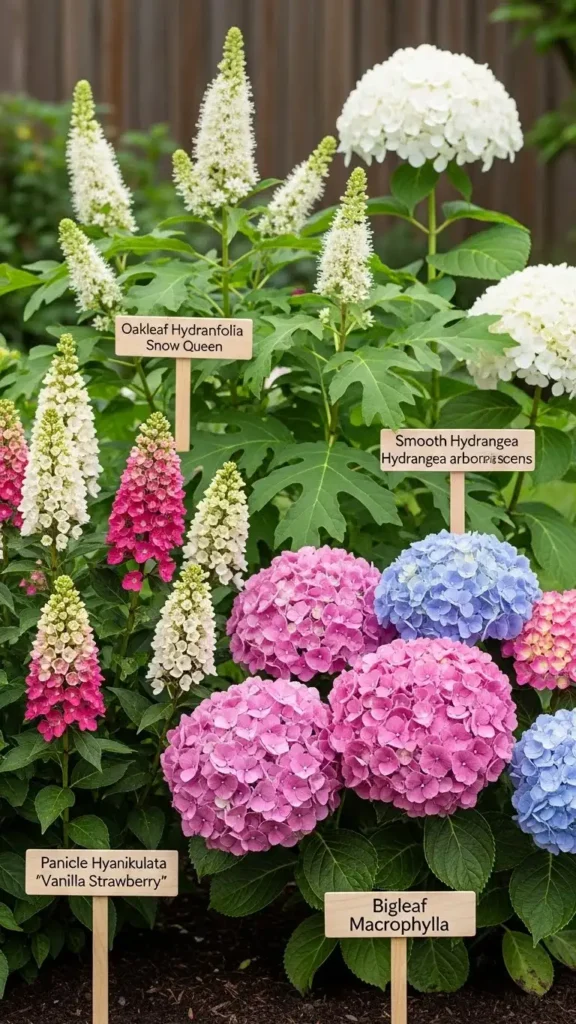
Choosing the right hydrangea variety is essential to maximize beauty and ensure healthy growth. Here are the most popular types:
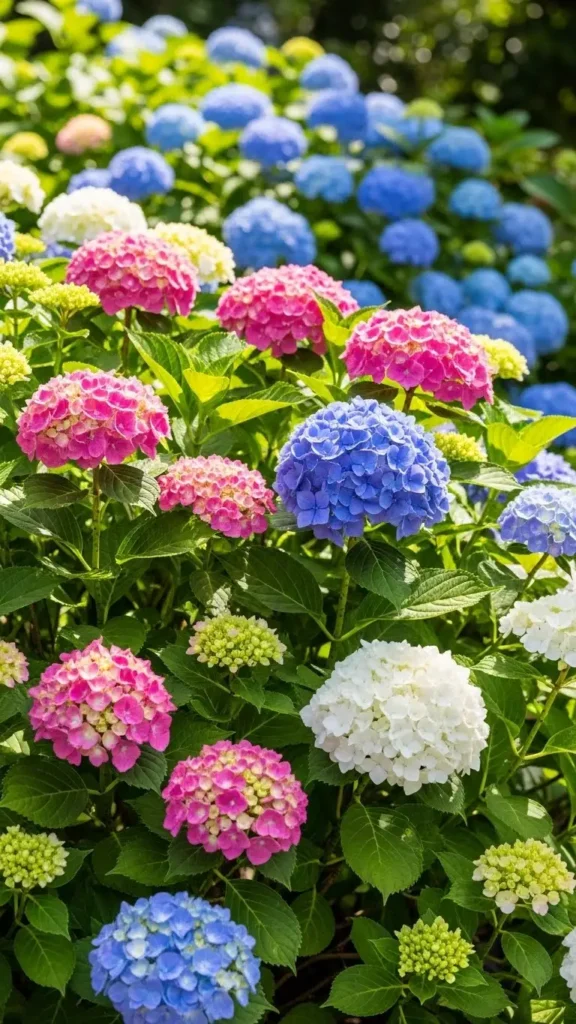
- Bigleaf Hydrangea (Hydrangea macrophylla): Known for its color changing blooms that range from pink to blue, perfect for classic and modern gardens.
- Panicle Hydrangea (Hydrangea paniculata): Tall, cone shaped flowers that make excellent borders or privacy screens.
- Oakleaf Hydrangea (Hydrangea quercifolia): Distinctive foliage with rich autumn colors adds texture and seasonal interest.
- Smooth Hydrangea (Hydrangea arborescens): Hardy, easy to grow, and ideal for mass plantings or cottage style gardens.
Choosing the right hydrangea means your garden will look good all year, whether you want to highlight color, leaves, or flower size.
3. Hydrangea Landscaping Ideas for Small Yards
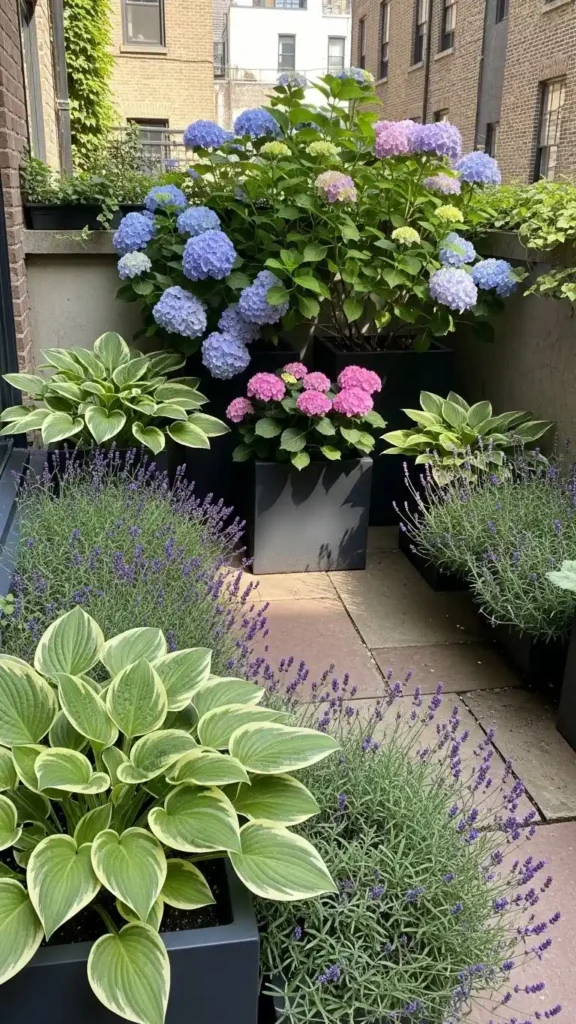
Small gardens can benefit from hydrangeas just as much as larger spaces. Opt for compact or dwarf varieties, and consider container planting to save space while maintaining flexibility. Place hydrangeas along walkways, patios, or balconies to create layered visual interest without overcrowding.
Mixing hydrangeas with low growing perennials like hostas, lavender, or ferns can add depth and texture while keeping maintenance low. Lighter colored blooms are perfect for shaded corners, while bold hues can act as focal points in small garden areas. These strategies ensure even modest yards feel lush, inviting, and well designed.
4. Hydrangea Landscaping Ideas for Front Yard Curb Appeal
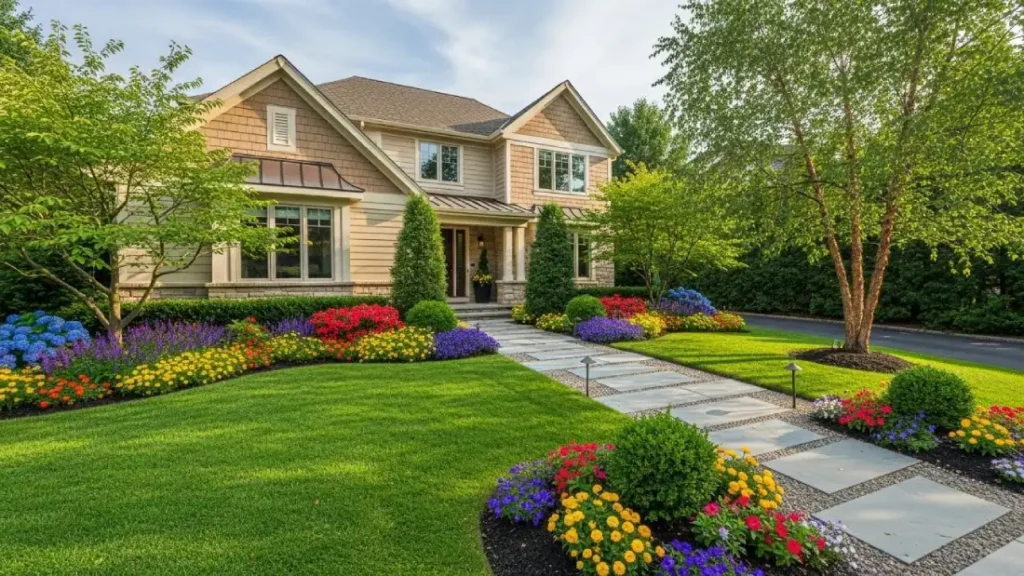
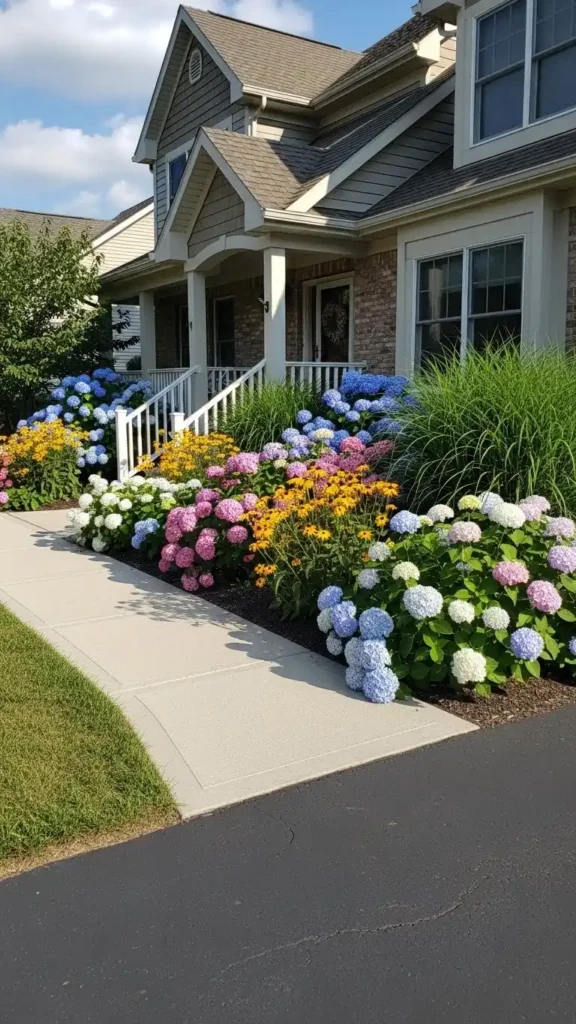
Hydrangeas are great for making your home look more inviting. Plant them along driveways, walkways, or near your house to quickly improve your property’s appearance.
Layering hydrangeas with evergreen shrubs, flowering perennials, or boxwood hedges adds structure and creates a polished appearance. Seasonal color changing varieties ensure year round interest, while grouping them in clusters provides depth and visual balance.
This approach guarantees your front yard leaves a lasting impression on visitors and passersby.
5. Hydrangea Landscaping Ideas for Backyard Retreats
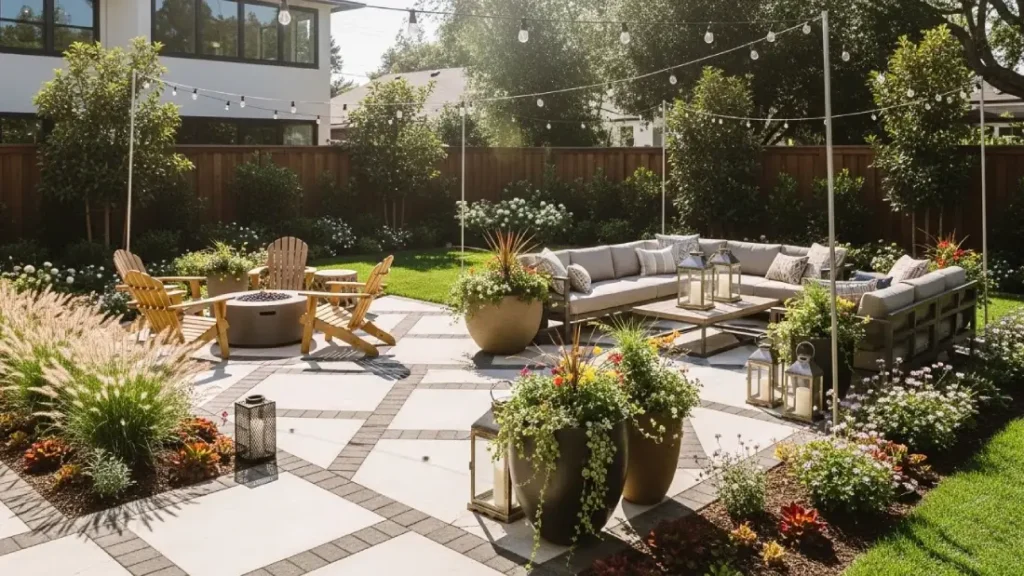
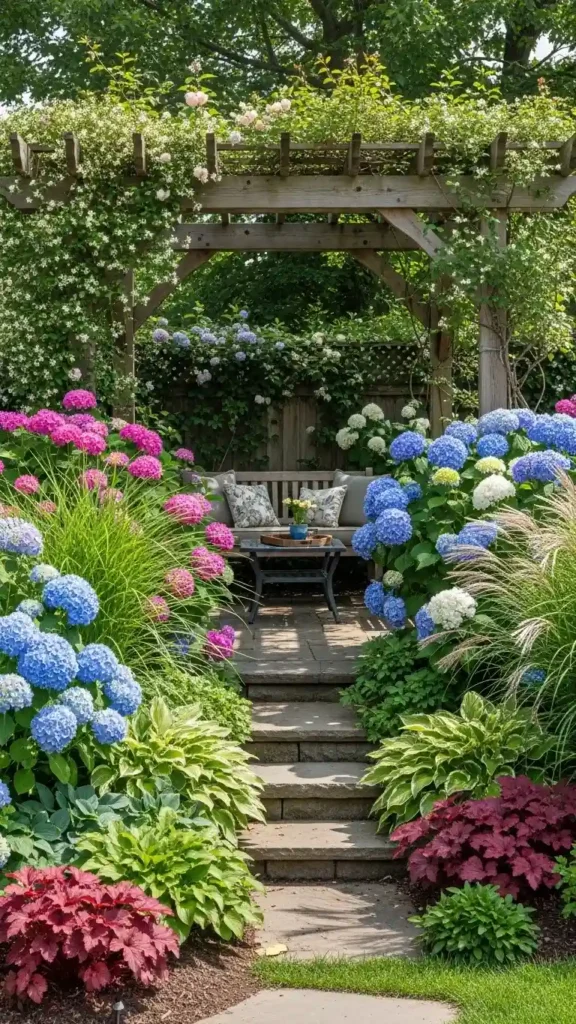
Backyards are perfect for peaceful retreats, and hydrangeas can help create that feeling. Use them to frame seating areas, pergolas, or garden paths. Their big flowers soften hard surfaces and add elegance to your outdoor space.
Pair hydrangeas with tall grasses, evergreens, or climbing plants for privacy and a layered look. Mulch around the base to protect roots, retain moisture, and reduce work.
Give each plant enough space to help it grow well. Well placed flowers keep your garden colorful and make it a relaxing place to spend time.
6. Combining Hydrangeas with Other Plants
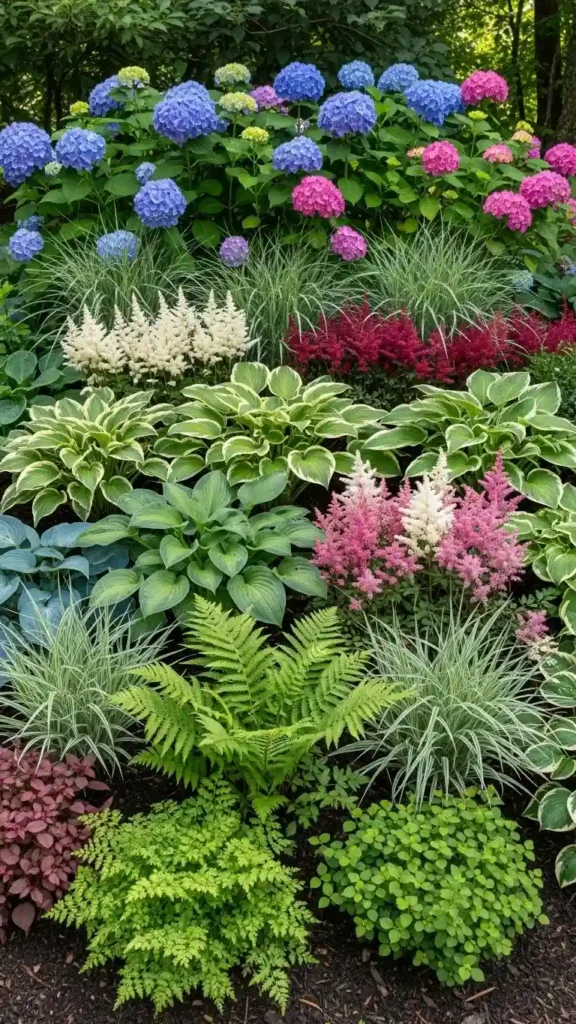
Planting hydrangeas with other plants can make your garden look better and stay healthier. Hostas, ferns, astilbes, ornamental grasses, and flowering perennials all go well with hydrangeas and create lively garden beds.
Mixing different colors and textures makes your garden more interesting and brings in pollinators. Companion plants can also help stop soil erosion, boost biodiversity, and add contrast, so your yard feels lively all year. When choosing plants, consider when they bloom, how tall they grow, and their leaf color to create a balanced look.
7. Seasonal Care Tips for Hydrangea Gardens
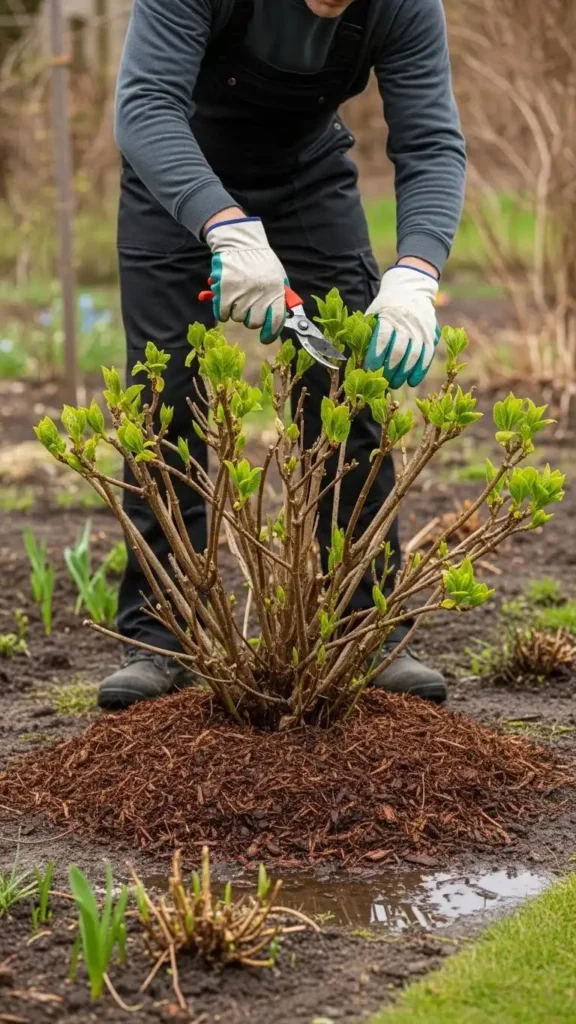
Proper seasonal care keeps hydrangeas healthy and blooming every year. Cut off dead flowers and stems in late winter or early spring, and water them regularly during dry spells. Fertilize in early spring to help them grow strong and produce bright flowers.
Temperature, along with attention to soil pH, can influence bloom color in varieties like bigleaf hydrangeas. Understanding the specific care requirements of each hydrangea type ensures long lasting beauty and consistent seasonal interest in your garden.
8. Common Hydrangea Landscaping ideas Mistakes to Avoid
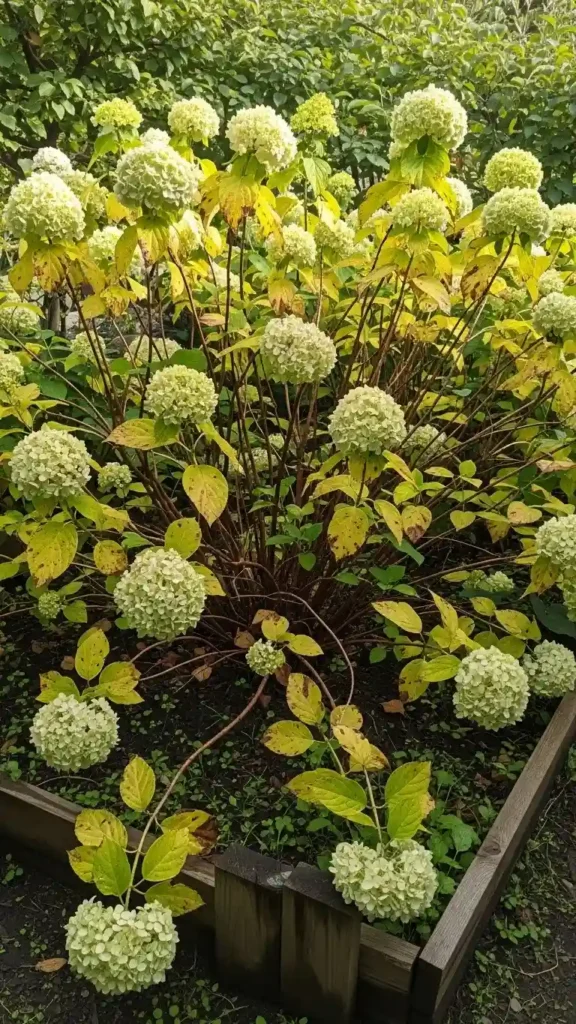
To keep your hydrangea garden healthy, avoid common mistakes like planting too close together, not giving enough sunlight, or pruning the wrong way. Don’t plant them too close to buildings, and make sure to water them regularly for more blooms.
For some hydrangeas, soil acidity matters because it changes flower color and affects health. Plan your garden layout with the right spacing and companion plants to avoid problems. Taking care now saves you time and trouble later.
9. Inspiring Garden Layouts Featuring Hydrangeas
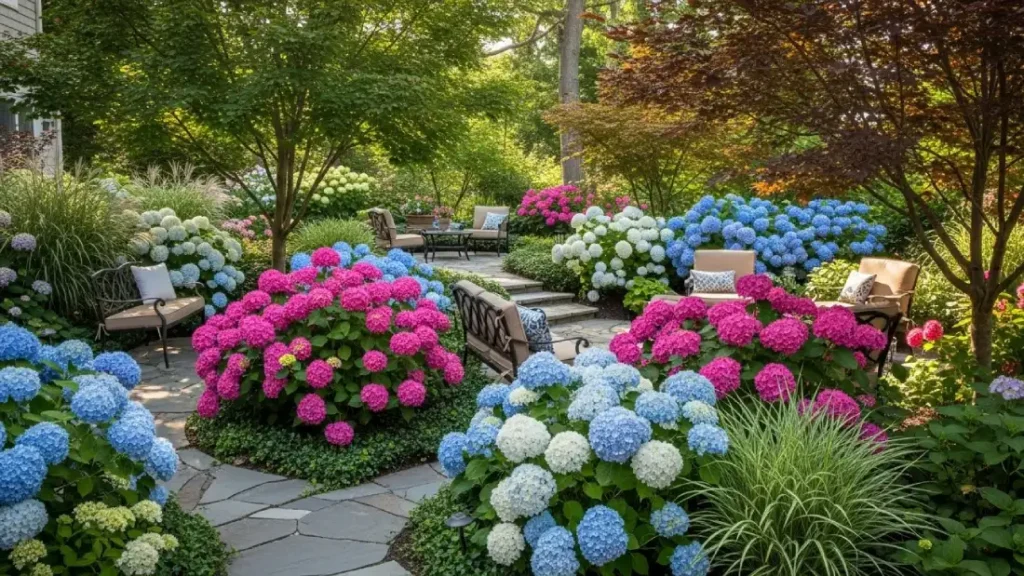
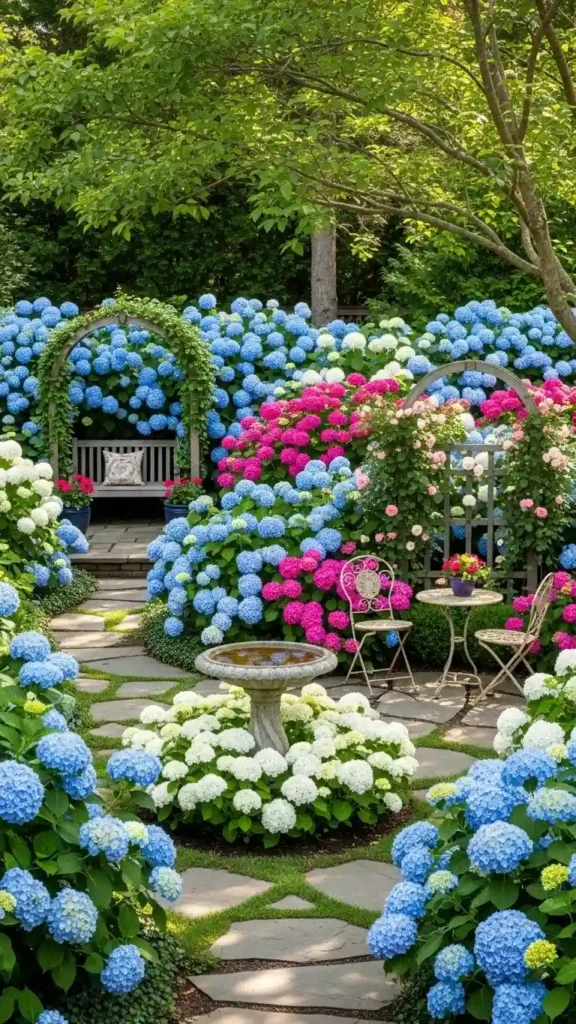
To make your garden stand out with hydrangeas, place them carefully, layer colors, and plan your design. Group shrubs in clusters, borders, or as highlights along paths and seating areas. Use different leaf and flower colors to draw attention to certain spots.
Adding paths, pergolas, or benches makes your garden both useful and attractive. Mixing hydrangeas with perennials, grasses, and evergreens creates a layered, welcoming space. With flowers blooming throughout the year, your garden will look lively and well designed all year.
Conclusion
Hydrangea landscaping ideas are a flexible, easy care, and beautiful way to change any garden. Whether your yard is small or large, hydrangeas bring full blooms, color through the seasons, and classic charm.
By picking the right types, adding companion plants, and caring for them each season, you can make your outdoor space lively and inviting.
Whether you want a front yard that stands out, a peaceful backyard, or a colorful, layered garden, hydrangeas are a great choice. Plant them now and enjoy a beautiful garden for years to come.
FAQs
1. What are the best hydrangea varieties for landscaping?
Some of the best hydrangeas for landscaping are Bigleaf (Hydrangea macrophylla) for bright, changing blooms, Panicle (Hydrangea paniculata) for tall, cone shaped flowers, Oakleaf (Hydrangea quercifolia) for unique leaves and seasonal color, and Smooth Hydrangea (Hydrangea arborescens) for tough, easy care group plantings. Picking the right type keeps your garden looking good all season.
2. How do I use hydrangeas to enhance small garden spaces?
For small gardens, pick dwarf or compact hydrangeas and try planting them in containers. Place them by patios, walkways, or balconies, and mix with low plants like hostas or lavender for extra texture. Light blooms brighten shady spots, while bold flowers stand out, making small spaces feel full and welcoming.
3. Can hydrangeas grow in full sun or partial shade?
Yes! Hydrangeas can grow in both full sun and partial shade, depending on the type. Bigleaf and Smooth hydrangeas like morning sun and afternoon shade, while Panicle hydrangeas do well in full sun. Putting them in the right spot helps them grow strong and bloom longer.
4. How should I care for hydrangeas to keep them healthy?
Hydrangeas thrive with consistent watering, pruning, and fertilizing. Prune dead stems in late winter or early spring, water during dry periods, and fertilize in early spring to encourage lush foliage. Mulching helps retain soil moisture, and monitoring soil pH is essential for color changing varieties like Bigleaf hydrangeas.
5. What plants pair well with hydrangeas in landscaping?
Hydrangeas look great with hostas, ferns, astilbes, ornamental grasses, and other flowering perennials. Planting them together adds color, texture, and interest throughout the seasons, attracts pollinators, and helps your garden stay healthy. Mixing plants this way makes your yard look lively and welcoming all year.